Stories That Don’t Happen Because You Don’t Move Into Action
There are decisions that don’t look like decisions.
And that’s exactly where most of them stop, before they ever become action.
There is no single moment when you make them, no clear “yes.” There is a gradual sense that you already know where everything is leading, and yet nothing changes.
The same shows up in very specific situations.
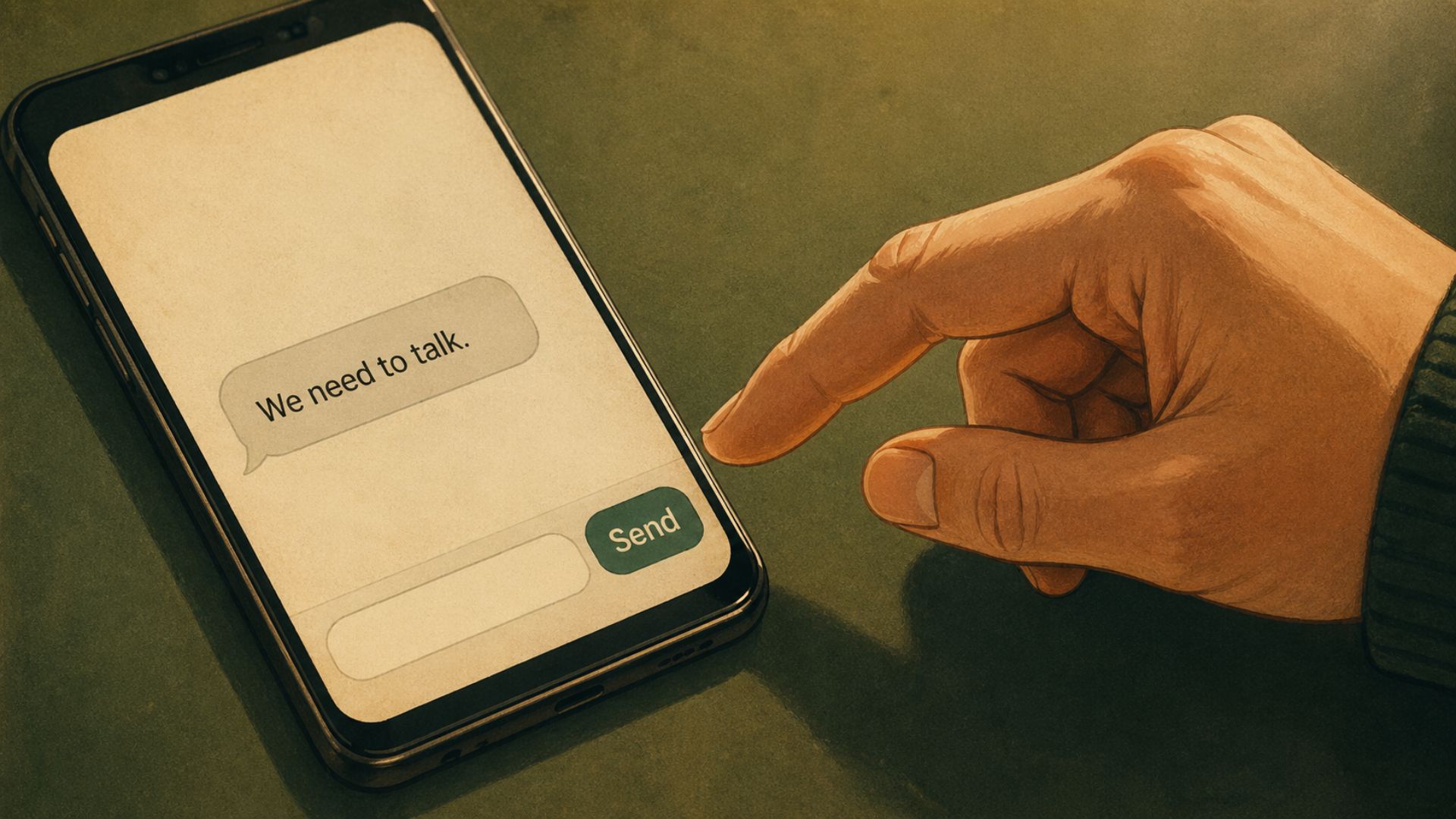
You write a message and stop before sending it, not because you don’t know what to say, but because you know what will follow.
There is a conversation you keep postponing, even though you’ve already had it internally.
There is a decision in front of you, and you stay just a little before it.
From the outside, this looks like hesitation or difficulty making a decision.
But if you return to these moments honestly, you’ll see something simpler: the direction is already there.
It’s not perfect, not fully resolved, but it’s clear enough.
And still, you stay in place.
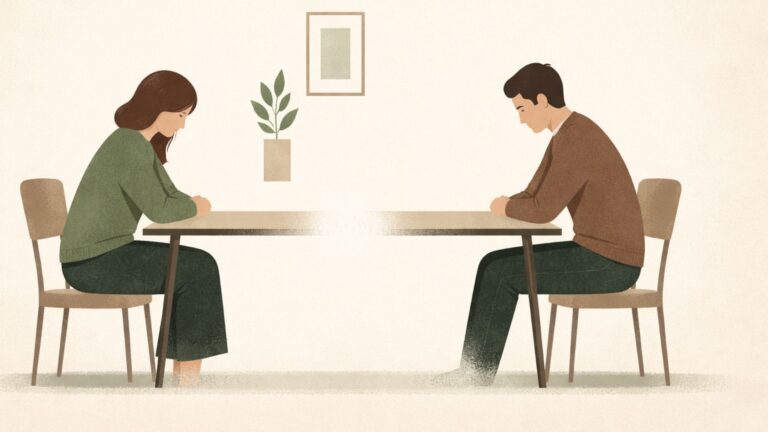
This is the moment when the decision is already clear, but the action does not follow.
The Moment Before the Choice
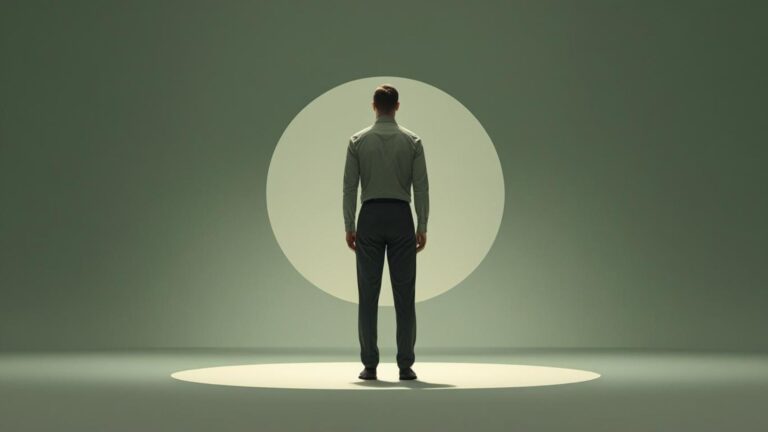
This is not where you stop thinking, this is where you stop acting.
Not because you don’t know what to do, but because every real action brings something that thinking cannot neutralize; closing off options, a shift in position, taking on a risk you cannot move back into the space of “I’ll think about it more.” The more you try to make the decision safer, the longer you stay exactly here.
At some point, the question stops being “what else should I think through” and becomes “am I ready to face what follows.”
Why We Delay Decisions
What often looks like procrastination or an inability to decide is rarely a lack of information. In behavioral psychology, this is well described; people do not get stuck because they don’t know what to do, but because they avoid the emotional cost of a choice:uncertainty, the loss of alternatives, and the change that follows every decision.
The problem is not how to make a decision, but that every decision leads to action.
This is where a boundary appears, one that is hard to recognize because it looks like a continuation of the same process. On one side is thinking, analysis, perspectives, possibilities. On the other side is action, which already carries consequences.
The transition between the two does not happen with more clarity.
It happens in the moment a decision stops being an option and starts requiring to be taken.
“There are stories that exist only if you take on the risk they carry.”
Where you actually stop
This is not an abstract moment, it shows up in very specific situations.
You sit with an open chat and reread what you’ve written, knowing that the moment you press “send,” the conversation will no longer be the same.
You have a conversation in your head that you don’t have out loud, because once you say it, there is no going back.
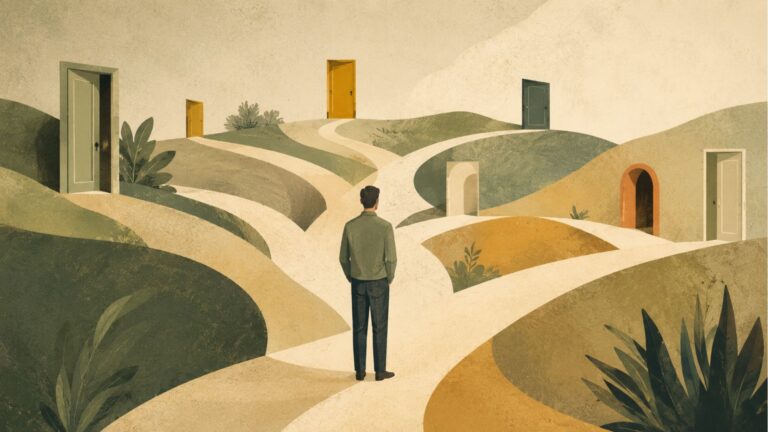
You stand in front of a choice and look at it from every angle, knowing that the moment you choose, the other options disappear.
This is not a lack of ability to make a decision, this is the moment when the decision begins to have a cost.
How You Move from Clarity to Action
At this point, making a decision is no longer about clarity, it is about action.
This transition does not happen on its own. It does not come from more analysis or more thinking. It happens when one of all the possible options becomes clear enough to be taken, even without any guarantee of how it will unfold.
At some point, you don’t need more clarity, you need to decide whether you will act despite it.
There is something important here. It’s not understanding that is missing. What is missing is a structure that can take one decision out of everything you already know and make it specific enough to become action.
The difference is not whether you know, it is whether you act.
The moment when the conversation changes its function
There is a moment when thinking no longer helps. If you want to move past this point, you need something different.
The conversation stops expanding and starts organizing. It does not add more options, but draws out one decision from what is already clear, until a single line remains that can be followed.
This is where 4D Dialogue. comes in, not as an explanation, but as a process in which, out of multiple possibilities, one concrete next step remains, clear enough to be taken without waiting to feel completely ready.
This is where 4D Dialogue works, when clarity already exists but does not lead to movement.
Stories that don’t happen do not disappear, they remain right there, in the moment when you already know what comes next, but haven’t taken it yet.
And if you already know where you stop, the question is not what else you need to understand, but whether you will follow through.