Action as a natural movement forward
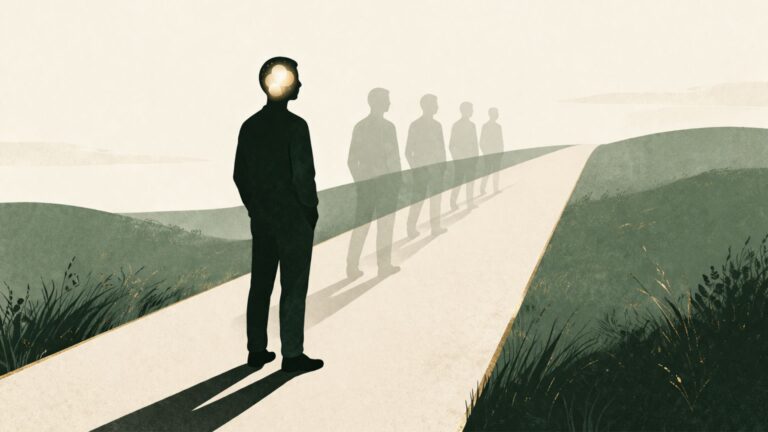
Conscious action comes when inner clarity is already stable and the direction is chosen. At that point, moving forward is not an effort, but a natural continuation of the inner process.
After the choice has been made, the moment arrives that often appears to be the most visible, yet is actually the result of everything that came before it.
The moment of action.
At this stage, there is no longer a chaos of thoughts, no scattered options, and no inner hesitation. Clarity is present, perspective has expanded, and choice has been taken as responsibility Action emerges as a natural continuation of the inner process and becomes conscious action that brings clarity and forward movement.
Here, action is not a reaction.
It is a consequence.
When action stops being an effort
Action is often perceived as pressure.
As a need for extra motivation or an external push.
In reality, when the inner stages have been completed, action does not require force. It begins to feel like movement that follows an already chosen direction. In this sense, conscious action does not arise through tension, but follows the logic of the choice that has been made and the responsibility that has been taken.
At this point, energy is no longer lost in hesitation.
It is directed toward concreteness.
Action as a form of clarity
True clarity does not remain internal.
It seeks expression.
Action is the way inner clarity turns into external reality and into sustainable change in behavior and decisions. It is neither fast nor rushed. It is aligned with the rhythm, capacities, and context of the individual or the team.
Here, moving forward is not dramatic.
It is sustainable.
The small step as a stable foundation
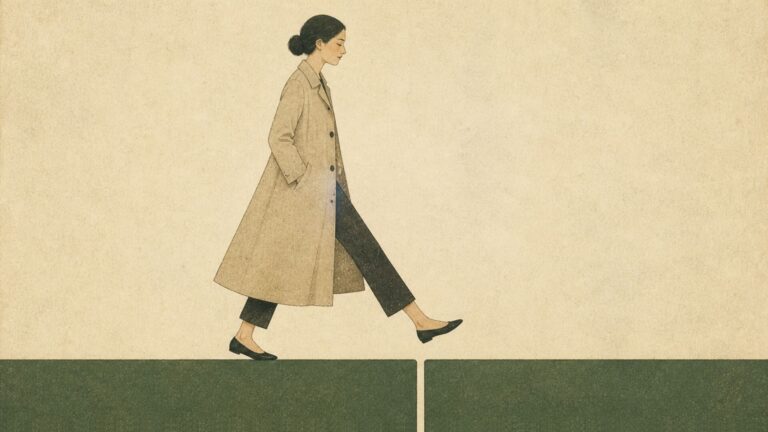
Action rarely begins with a big leap.
More often, it starts with a clearly defined first step.
This step has value because it is aligned with the choice and the direction. It is not taken to signal activity, but to reinforce an inner position. In this way, action unfolds without pressure, as a logical and sustainable movement forward.
When the first step is taken in this way, the next ones arrange themselves far more naturally.
What action looks like in practice
In practice, action means a clear decision about the next move, a concrete change in behavior, a conversation, or a structure. It may be externally visible or internally stabilizing, but it always carries a sense of forward movement and inner steadiness.
Here, the process shifts from awareness to real presence in life, work, and relationships. Action is not impulsive, but structured and connected to meaning.
Action as the closing of the cycle
Action is not a finale, but an integration.
It brings clarity, perspective, and choice into a unified whole.
In this sense, action does not end the process it brings it to life. It shows that the inner work has found its expression and has moved into conscious action.
What remains after action
After action, there is a sense of stability.
Not euphoria, but calm.
Direction is no longer an idea.
It has been lived.
This is the moment when conscious action and forward movement become part of one’s way of thinking, choosing, and being present in life.
Conscious Action in Practice
Conscious action in practice means a clearly defined next step that can be taken within your real context. Not a big plan, but specificity: a conversation, a decision, a change in habit, or a reordering of priorities.
The criterion is simple: the step is aligned with the choice made and the responsibility taken. When this alignment is present, forward movement becomes sustainable without added pressure or inner fragmentation.